抹茶The New Zealand matcha guide
What is matcha
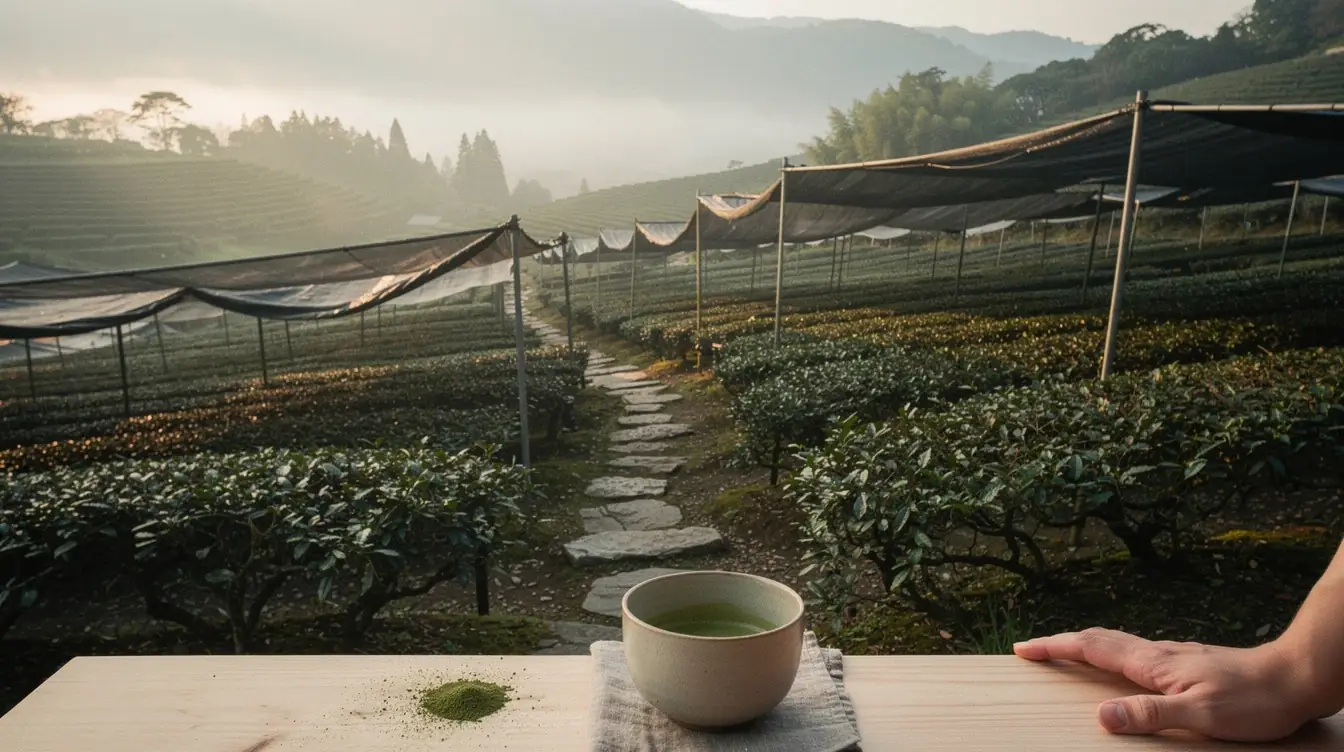
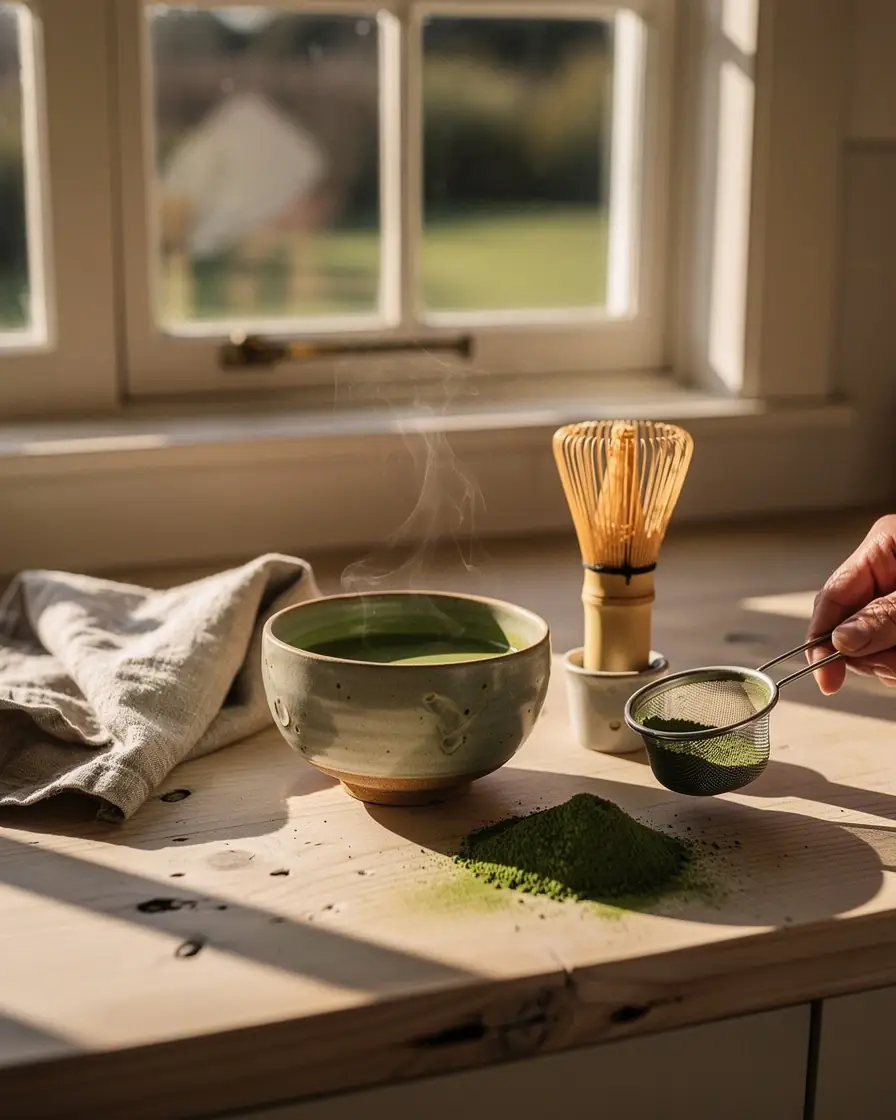
Matcha is a fine powder made from green tea leaves that are grown in the shade, then steamed, dried and stone-ground. Unlike regular tea, you whisk the powder into hot water and drink the whole leaf, which gives matcha its rich umami taste, vivid green colour and steady caffeine lift.
喫茶Find matcha
Matcha cafes in Auckland
Start anywhere
Four ways in
価格From our weekly price checks
Price moves since 5 August
A sudden drop is often a sale. Pack prices as listed by each seller.
学ぶThe matcha guide
Start with your question
入門Start here
等級Grades and buying
製法Production and origins
健康Health and caffeine
比較Comparisons
製法Production and origins
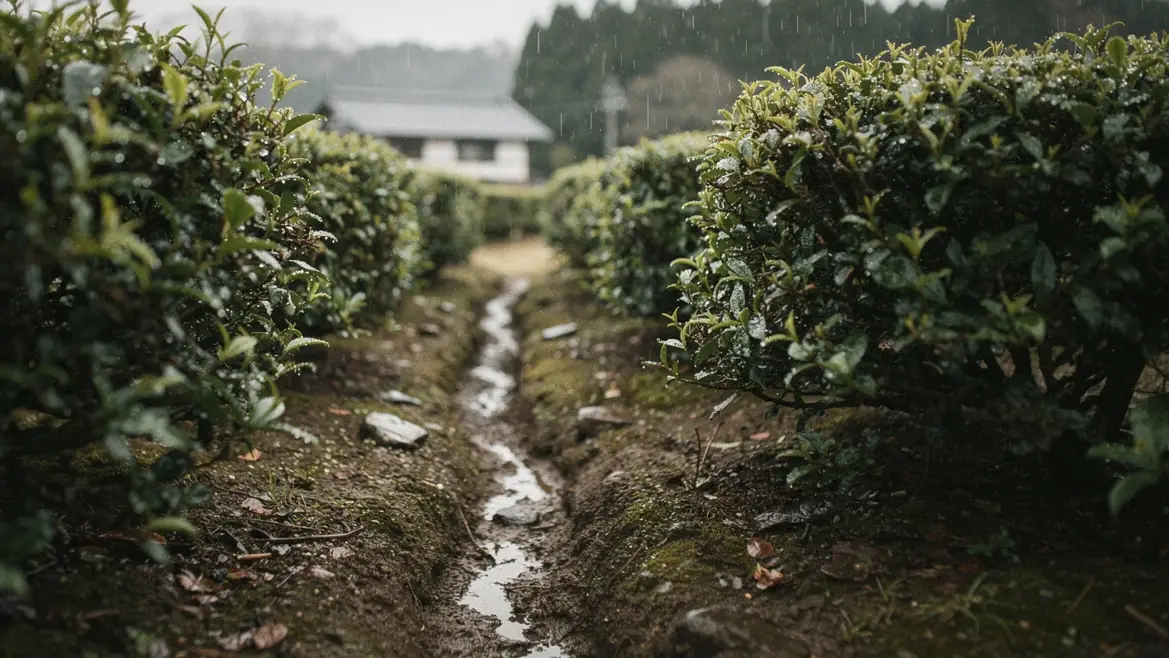
Why there is a matcha shortage
The matcha shortage explained: record Kyoto tencha auction prices, ageing growers, the five-year lag on new shaded fields, purchase limits in Japan, and what it means for NZ prices.
Matcha at a glance
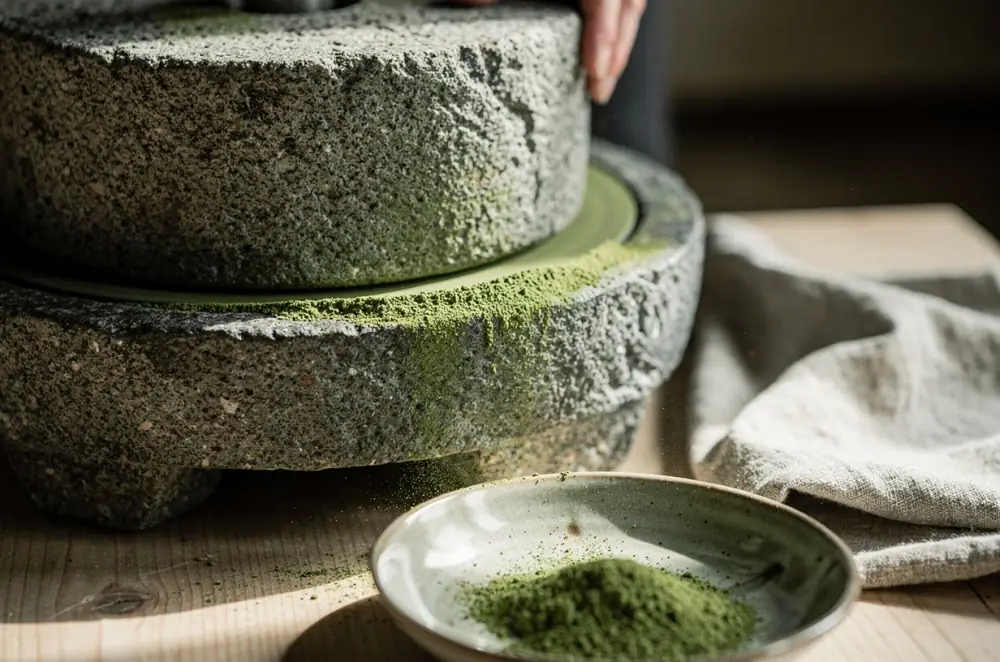
- Made from tencha, shade-grown leaves of the tea plant Camellia sinensis with stems and veins removed, ground on granite stone mills. How matcha is made
- A typical serving carries about 38 to 88 mg of caffeine, against about 95 mg in a cup of coffee. Matcha caffeine, compared
- Sold in two broad grades, ceremonial for drinking plain, culinary for lattes and baking. How the grades differ
- Originally from China, refined in Japan. Uji and Nishio lead production today. Matcha growing regions
- Whisked, not steeped: two grams, 70 to 80 degree water, a bamboo whisk, under two minutes. How to make matcha
Common questions about matcha
- What is matcha in simple terms?
- Matcha is green tea leaves grown in the shade, dried and ground into a very fine powder. Instead of steeping leaves and throwing them away, you whisk the powder into hot water and drink the whole leaf.
- What does matcha do?
- Matcha is a caffeinated drink, with roughly 38 to 88 mg of caffeine in a typical serving alongside the amino acid L-theanine, which research suggests can smooth caffeine's edge into a calmer alertness. It is also rich in catechin antioxidants, including EGCG.
- Why is matcha so popular in NZ?
- The same wave seen worldwide: cafe matcha lattes, social media, and interest in coffee alternatives. NZ searches for matcha have more than doubled since 2024, and local brands, supermarkets and cafes have expanded to meet it.
- Is matcha bitter?
- Good matcha prepared with 70 to 80 degree water is smooth and naturally sweet with only gentle bitterness. Harsh bitterness usually means boiling water, too much powder, stale powder or a low grade.
More answers: What is matcha made of · Is matcha good for you · How to make matcha · Where does matcha come from · Where to buy matcha in NZ · Why did my matcha turn brown · Why is matcha so popular · Does matcha burn belly fat
作るRecipes
Make it at home
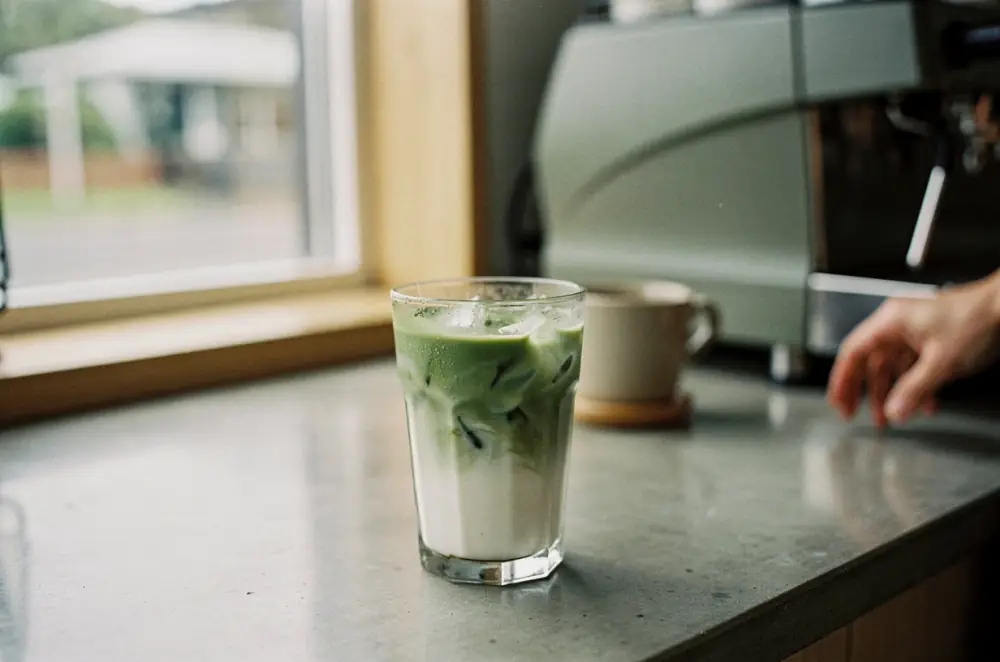
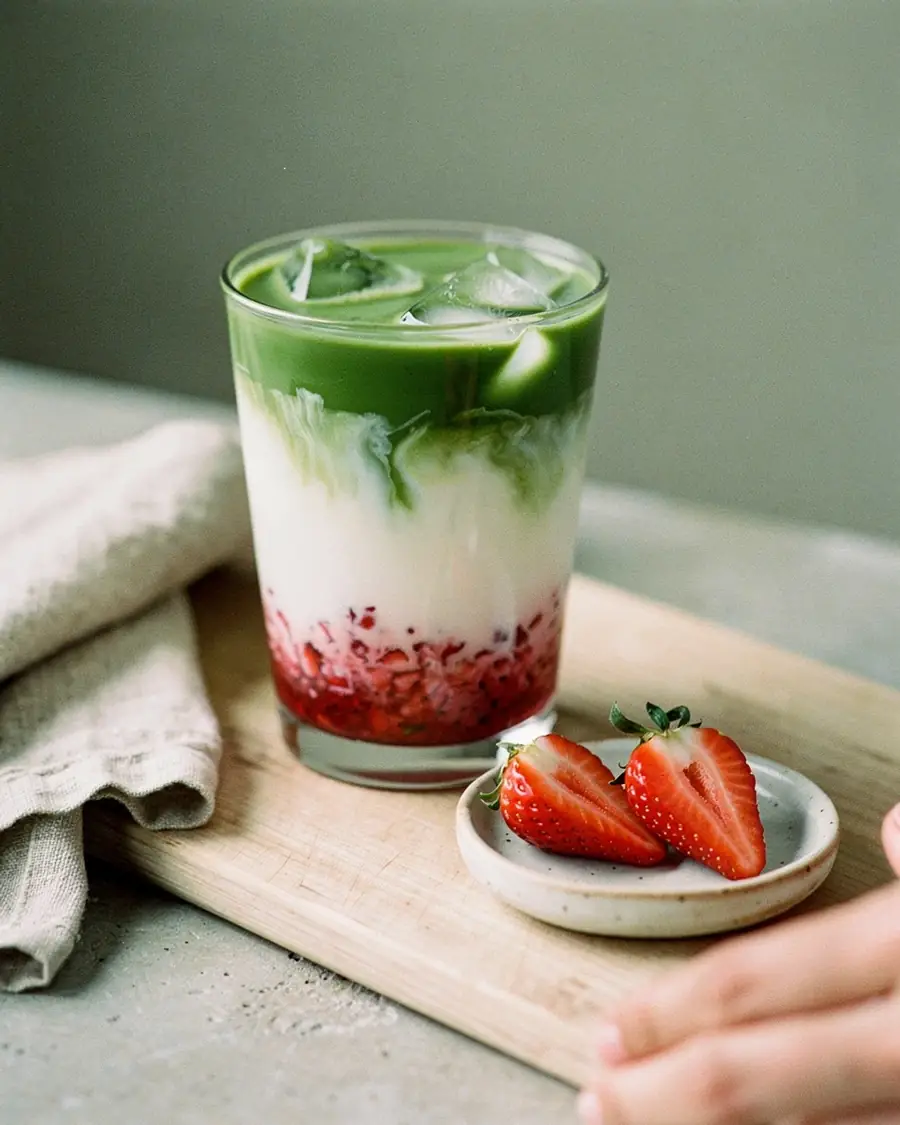
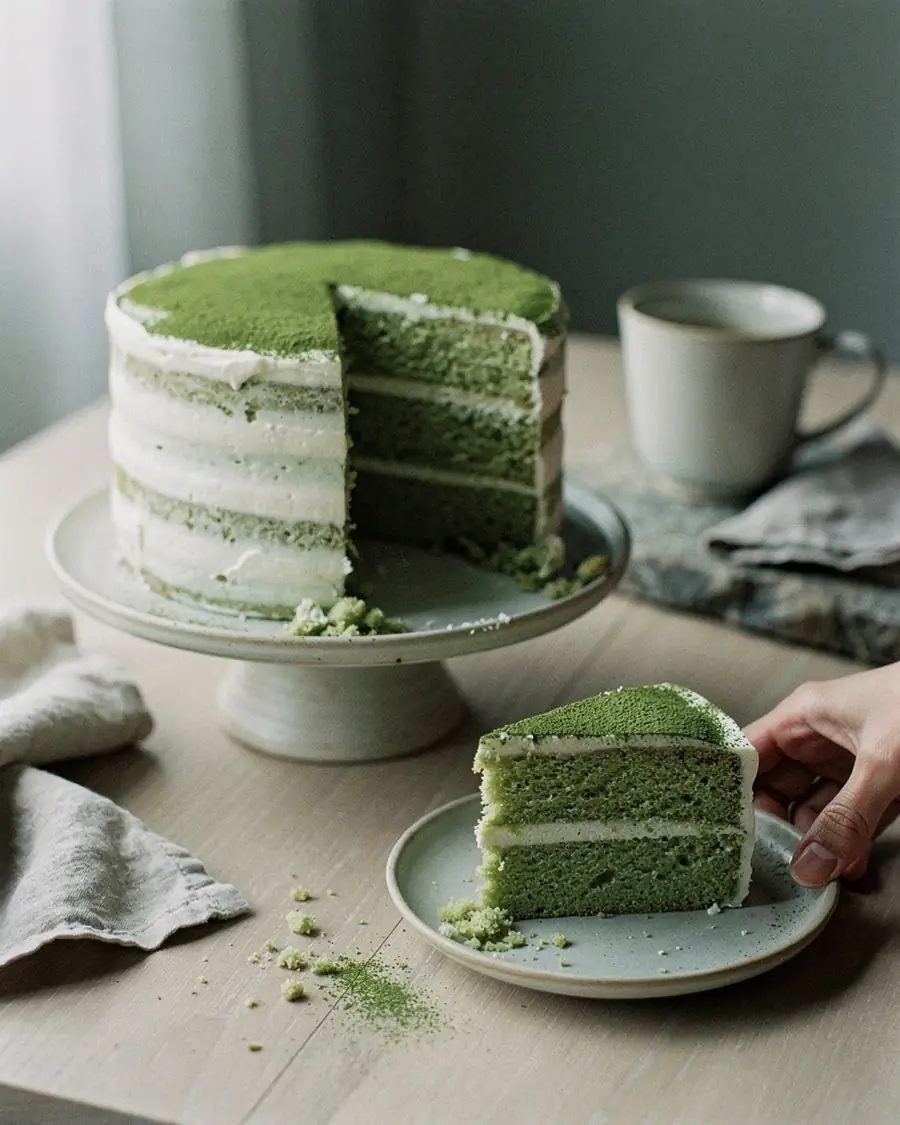
Looking for ideas beyond the classics? The inspiration board collects what people are making with matcha, from cloud matcha to basque cheesecake.